Roomba Brain Surgery

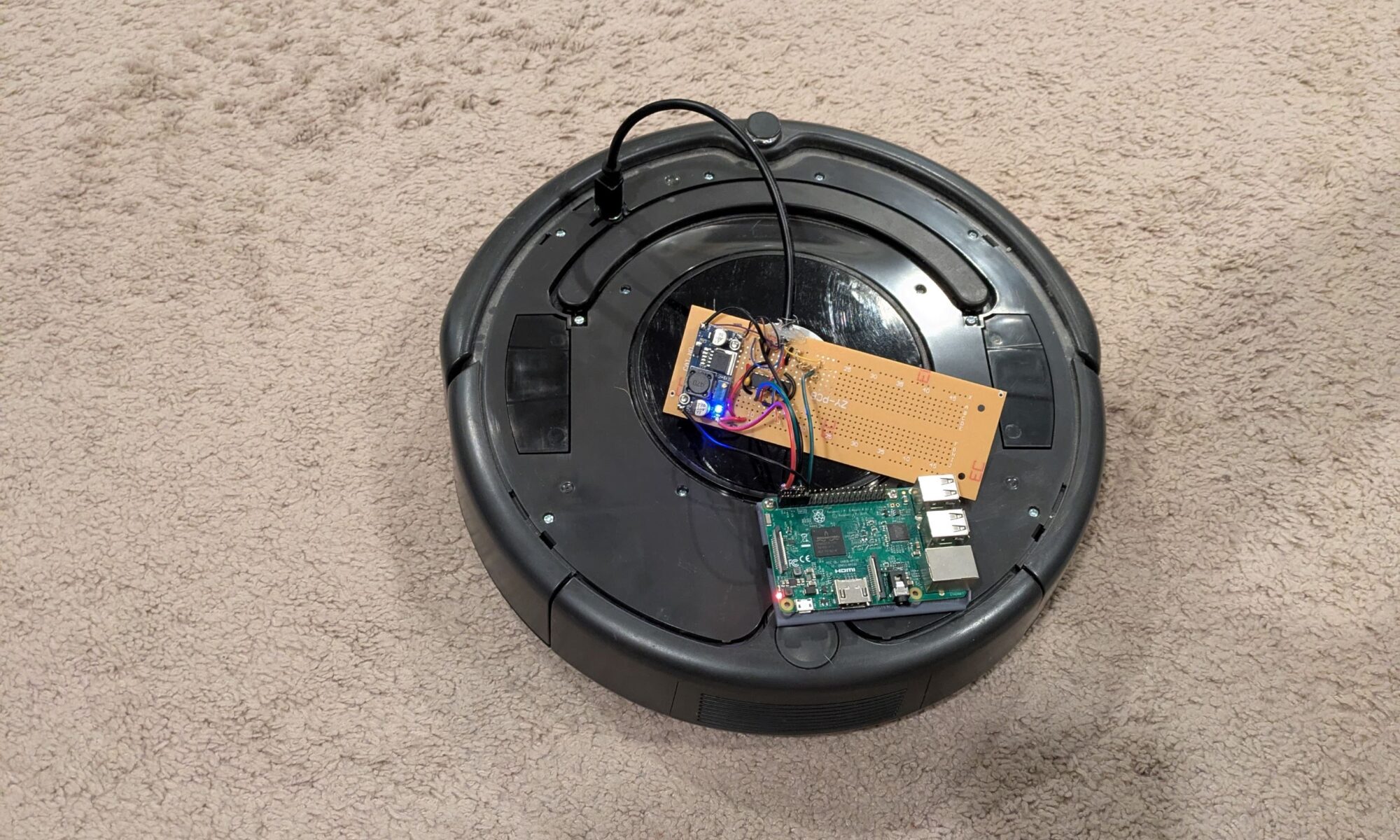
After learning that the original Roomba models have an open serial port with a fully documented API, I just had to try out using it. I pulled the lid off my old Roomba 670, trying not to break any plastic clips and right there it was, the serial port ripe for the hardware hacker. What can it be used for? Just about anything related to driving around the roomba, running the vacuum, and reading sensor data from the robot.

Continue reading “Roomba Brain Surgery”

Circuit-Diagram-CLI

I use the circuit diagram editor from this site for all of my circuit diagrams for my projects. It generally has all the elements I want to use easily available, at least until now. I wanted to add an 8 pin din connector to my diagram so that I could include the pinout for the connection, however it wasn’t available in the default package, you needed to use the extended symbols, which are not available on the Web version.

In order to use the symbol, I had to install the desktop version (which is fairly old). The desktop version however doesn’t support the newer XML format provided in the repo, so we need another tool to do the conversion.

We download circuit-diagram-cli, and use the arguments below to do the conversion, drop that into the desktop tools folder, and restart it for everything to finally work.

C:\Users\steve\Downloads>circuit-diagram-cli.exe component mini-din-8.xml -o mini-din-8.cdcom --verbose
Mapping resources as key-file pairs.
Input is a file.
Starting 'mini-din-8.xml'
mini-din-8.xml
Starting binary generation.
Compiling C:\Users\thest\Downloads\mini-din-8.xml
Icon minidin8_32.png not found.
Icon minidin8_64.png not found.
Compiled to C:\Users\thest\Downloads\mini-din-8.cdcom
binary -> mini-din-8.cdcom
Finshed 'mini-din-8.xml'

Time Sync through Firewalls for Valetudo

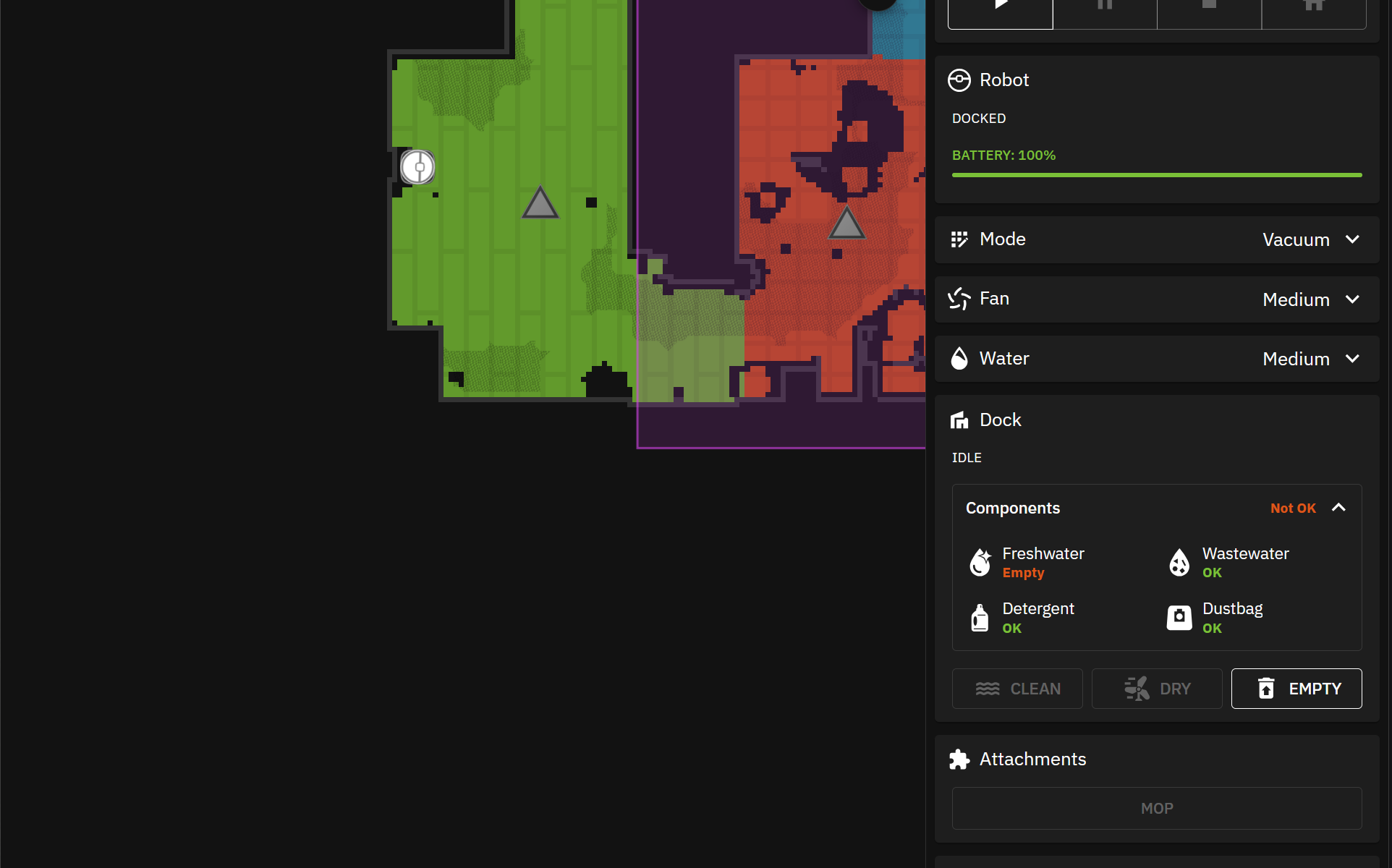
Valetudo has some built in functionality that makes use of the current time, however my vacuum is on a VLAN with absolutely no internet access. I would like to try out some of the time based features without needing to punch a hole in my firewall for internet based NTP, luckily this ended up being easier than expected.

Valetudo does let you configure the NTP time servers, and my vacuum can access home assistant. So why not run an NTP server there, which can sync to the internet, and provide time to my internal network, including valetudo. This all worked out well, so for others running valetudo and home assistant, just run the chrony app and point valetudo’s NTP settings at it and you’re off to the races.

Installing Valetudo on a Dreame X40 Ultra

I picked up a Dreame X40 Ultra with the intent of installing Valetudo on it. Valetudo is an open source project that cuts the vacuums ties to the cloud and allows it to run entirely locally. This means the map of your house remains your own, the camera feeds from the vacuum remain yours, and all other sensor data remains local and isn’t sold to the nearest bidder.

Continue reading “Installing Valetudo on a Dreame X40 Ultra”

Linux USB WiFi

I needed a Linux desktop with Wi-Fi capabilities for a project I was working on, flashing valetudo to a dreame x40. The only problem is that my extra computer that I could install the specified Linux flavor on, was a mini PC with no onboard Wi-Fi. So I did some research and found this adapter that has good Linux support:

Panda Wireless PAU0F AXE3000

For Debian, the driver install is a single quick install away.

sudo apt install firmware-mediatek

The adapter ended up working out great and I was able to finish up the valetudo setup with it.

Docker Log File Usage

I ran into some issues with my unraid server recently. The docker image usage started skyrocketing at an alarming rate. I started digging into multiple ways it could be getting filled up and ran into a very odd file while doing so (sadly it didn’t contribute to the docker image usage, but good to have it removed anyway). I ran into a 20GB log file being generated by docker.

Continue reading “Docker Log File Usage”

Exporting Gifs using VSDC

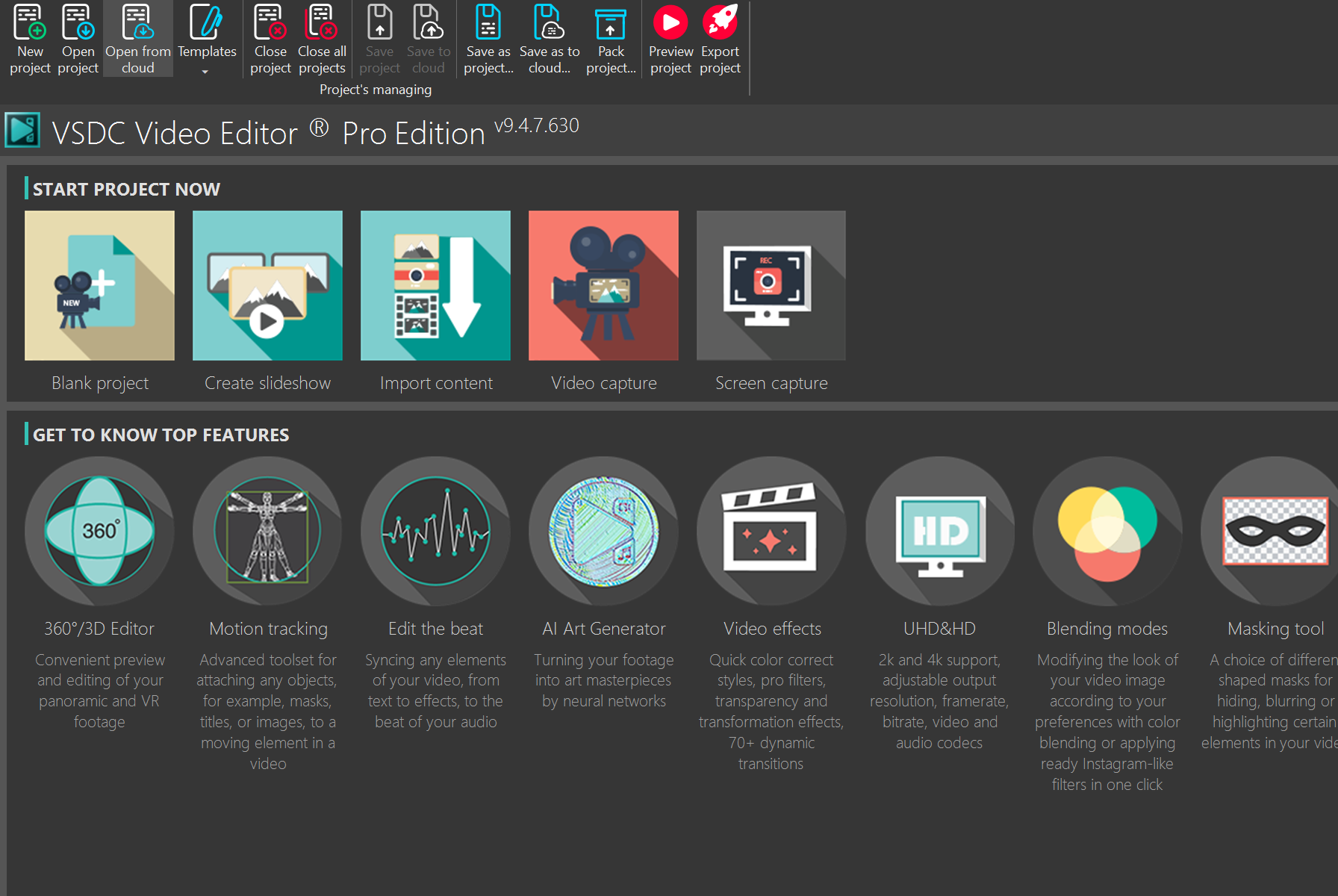
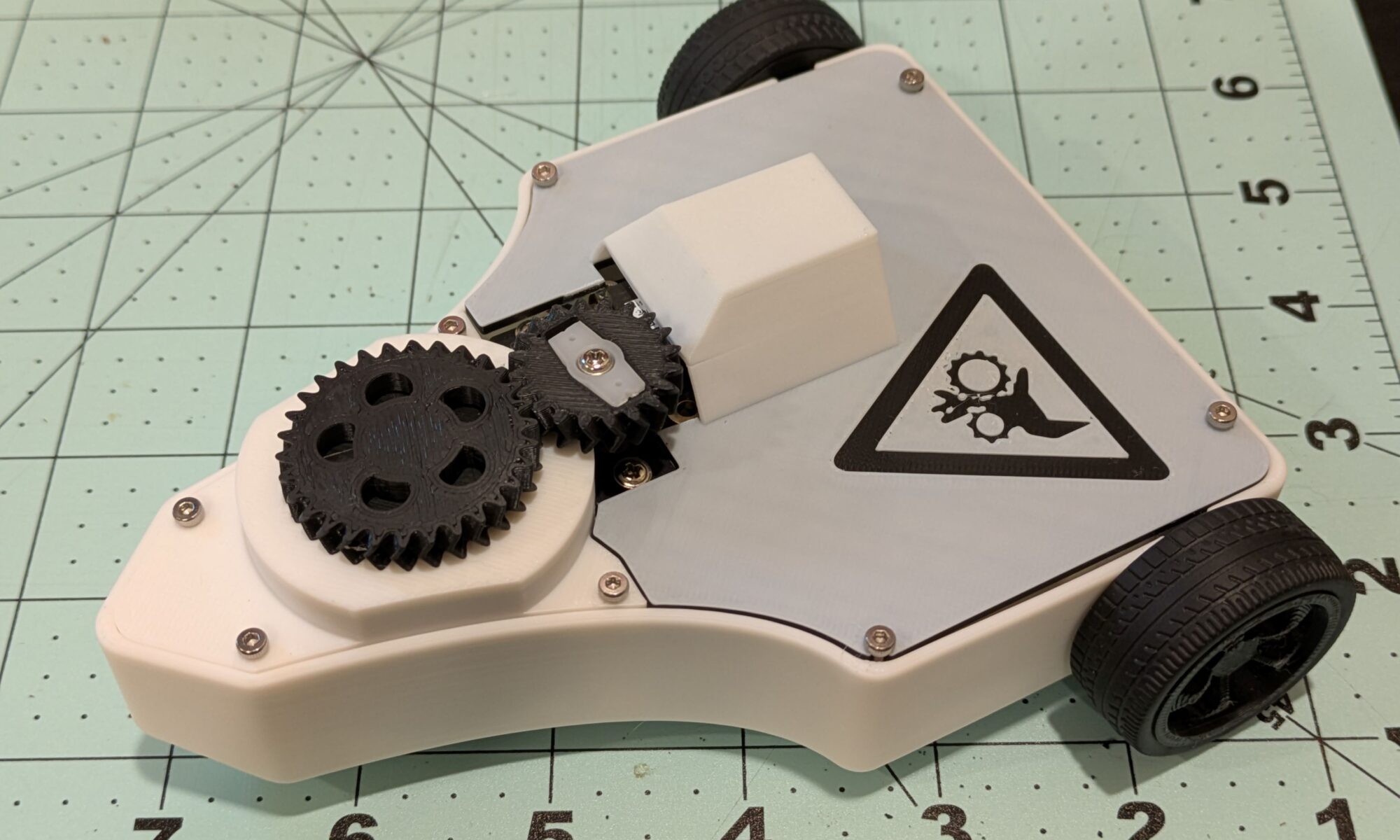
I made a cyberbrick model and posted it to makerworld, but while telling folks about it, someone mentioned that it would be nice to have a video of it driving to reference when deciding if they wanted to make it. I could record one easily enough on my phone, but I haven’t tried to convert it to a GIF before for use on the various 3d printing websites. I do have VSDC though, so lets use that!

Continue reading “Exporting Gifs using VSDC”